



The healing drum, a young soloist, and the unexpected heartbeat of Reading’s centenary

Credit: Laura Bennetto
Ritesh Nigam shares his experience attending an RPO Resound workshop as part of the University of Reading's 100th anniversary celebrations.
I walked into the University of Reading's Great Hall last Saturday not as a musician, but as a father. The Royal Philharmonic Orchestra had invited 100 local music enthusiasts of all skill levels to co-create a brand-new piece of music for the University’s 100th anniversary celebrations.
My 16-year-old son, Ojas, carried his violin, ready to join the community workshop hosted by the Royal Philharmonic Orchestra. Although initially I was just there to perform my parental duty of accompanying him, through a last-minute burst of misplaced courage, I carried a steel hand-pan called a Rav Vast Drum.
I am an author and a charity fundraiser, but above all, I am someone who has spent years battling unannounced, negative thoughts. I bought the Rav Drum years ago because its deep, resonant vibrations helped calm my mind during those daily mental health struggles. It was my therapy, not a stage instrument.
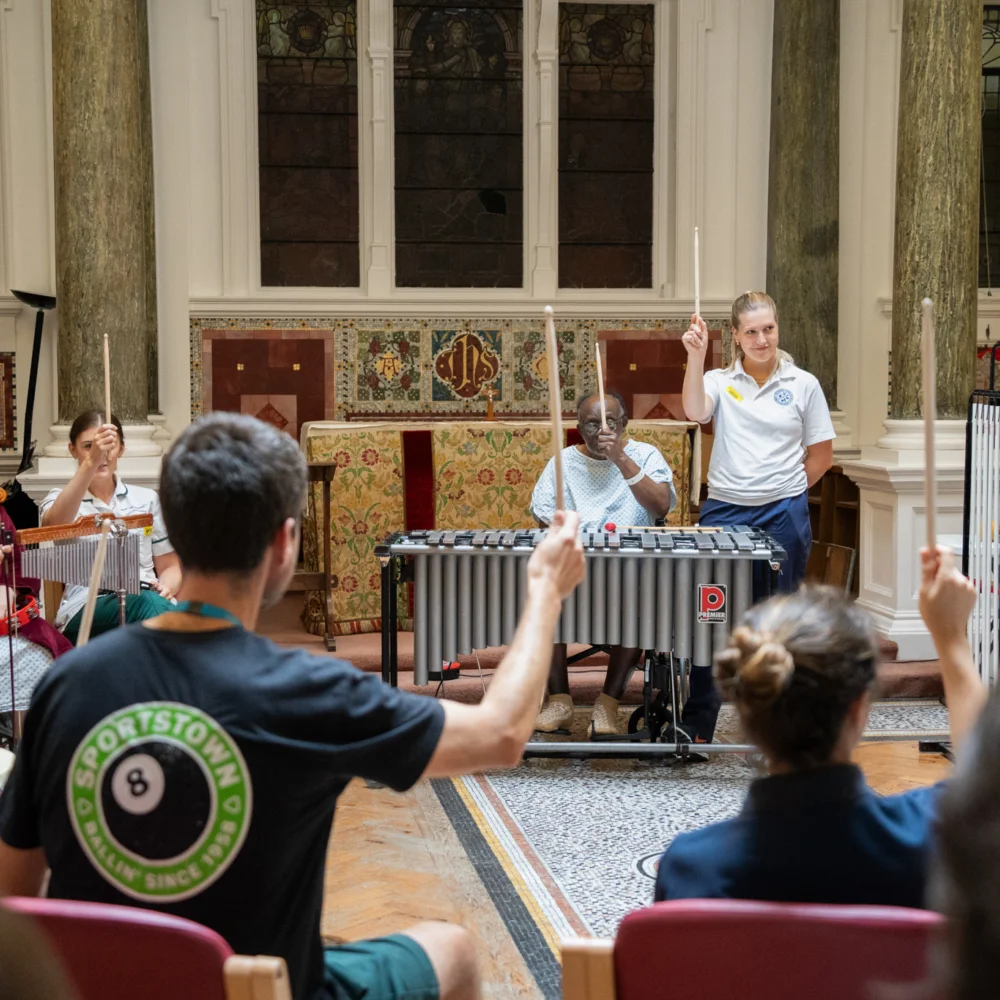
Yet, there I was. The day began with welcoming ice-breakers before we were divided by our instruments – strings, woodwinds, brass, choir, and percussion. I reluctantly unpacked my Rav Drum. It was an instant curiosity among the group, though its soothing hum was the faintest sound in the percussion section. Led by an RPO artist, we moved to a dedicated room to practice, taking turns playing beats and carving out small solo moments so everyone felt involved.

It was much later, when we returned to the Great Hall to merge our rhythms with the choir, that reality set in. As the vast space started to fill with the other groups returning from their rehearsals for the final stage of bringing everything together, the grand decor of the historic hall started to weigh heavily on me.
The strings and brass didn't sound like groups of strangers who had just met; they sounded brilliant. I started to feel like a dwarf amidst the swelling orchestra. Every note played around me sounded perfect. A familiar voice whispered in my ear like a loudspeaker: You are fake.
Panic froze me. I was terrified of becoming a laughing stock, of ruining this memory for my son. I looked across the room at Ojas. He was looking at me with a familiar gentle smile. That smile became my anchor (and not for the first time). I held onto it as my years of cognitive behavioral therapy kicked in.
Then, the RPO composer walked toward my section. The choir was practicing a solo, and he asked if I could play to the first three words of the young girl's performance: We Are One.
I am not classically trained. In fact, I used a tuning app on my son's phone just to understand my own drum when I bought it. But as she sang, I struck the steel. The three distinct, echoing sounds landed perfectly.
After the rehearsal, the hall erupted in applause, but I still felt apologetic, fearing I hadn't done her incredible voice justice. I approached the young soloist and her mother. The girl didn't care about perfect technique; she just wanted to know what was making that deeply soothing sound.
I placed the heavy drum in her lap. Her fragile fingers moved across the cold steel, feeling every groove and vibration, syncing herself with the instrument that would accompany her voice. Watching her mother gently guide her hands to find the centre notes, the profound realisation finally settled over me – the girl whose voice had just illuminated the entire hall was doing so entirely in the dark.

Some disabilities are hidden away in the mind, masked by forced smiles. Others are wide open for the world to see. But on that afternoon, in the echoing space of the Great Hall, two different struggles met in the middle. We spoke the same language of vibrations, laying down a musical foundation for a room full of strangers.
This is the true spirit of the music we created that day. It isn't just a composition; it is a raw, breathing reflection of our city.
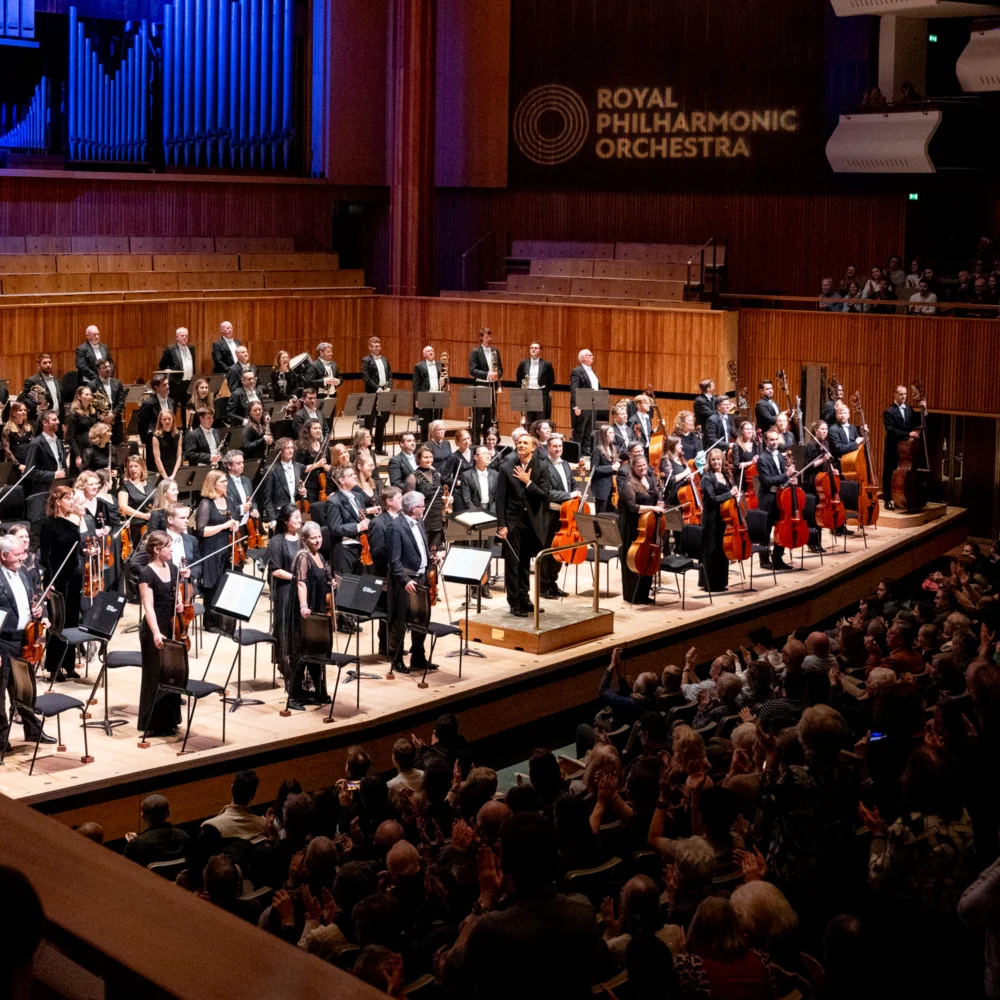
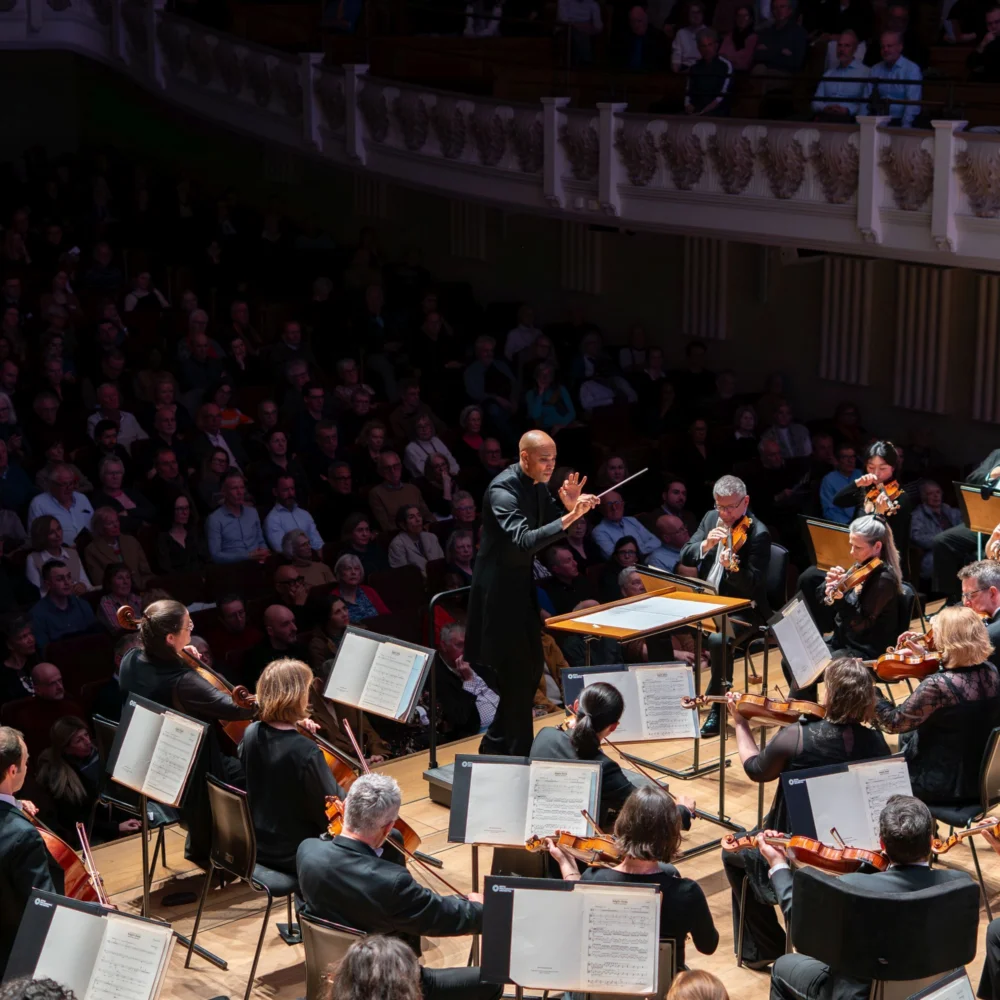
This Saturday 9 May, our community will take the stage at The Hexagon alongside the Royal Philharmonic Orchestra for the world premiere of the Reading Sound Foundry. You will hear seasoned violinists, massive brass sections, and a soaring choir.
But if you listen closely to the opening of that solo, you will also hear the faint, steady heartbeat of a healing drum, played by a father who found his anchor, accompanying a girl who feels the music she cannot see.
--
Words by Ritesh Nigam
Related events
Book tickets to Reading Sound Foundry


